Difference between Homelab and Home Server
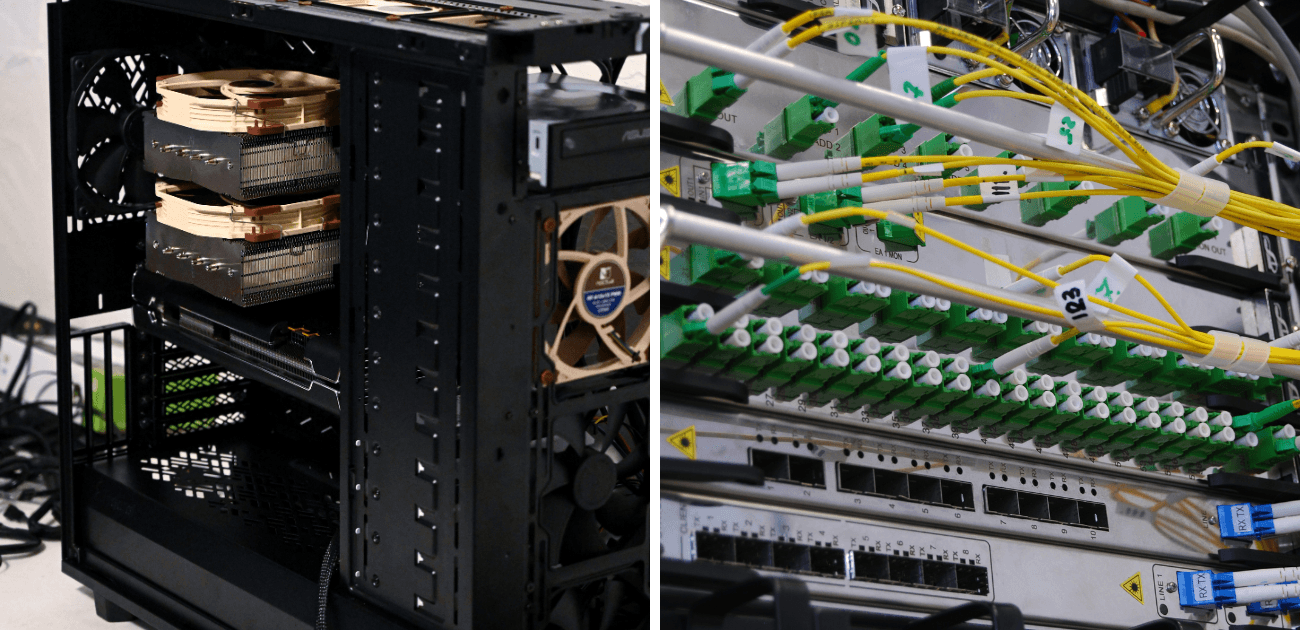
Homelab:
A Homelab refers to a setup in which individuals create a small-scale data center or network environment within their own home. The primary purpose of a homelab is to gain hands-on experience and knowledge in various IT-related fields, such as networking, virtualization, server administration, and software development. People often use Homelab to experiment with different technologies, practice setting up servers, run virtual machines, simulate real-world scenarios, and learn about complex systems without the constraints of a production environment. Homelab might include multiple physical servers, network switches, storage devices, and software platforms to create a diverse learning environment. Common uses for a Homelab include testing new software, experimenting with server configurations, learning about cybersecurity, and preparing for IT certifications.
Home Server:
A home server is a single or a small set of servers that are primarily designed to serve specific functions within a home network environment. These functions can include file storage, media streaming, backup and synchronization, running web services, hosting personal websites, and more. Home servers are generally more focused on practical and functional purposes rather than experimental learning like in a homelab. Home servers can range from a basic setup with a single server running a few services to more complex configurations with multiple servers dedicated to different tasks. The emphasis is on making daily computing tasks more efficient and centralized within the home environment.
In summary, the main differences between a Homelab and a home server are:
Purpose: Homelab are primarily for learning, experimentation, and gaining hands-on experience with various technologies, while home servers are focused on serving practical needs within a household.
Complexity: Homelab tend to be more complex, involving multiple servers, networking equipment, and software setups, often mimicking enterprise-grade environments. Home servers can be simpler and are designed to perform specific functions within a home network.
Learning vs. Functionality: A homelab's primary purpose is learning and experimentation, whereas a home server's primary purpose is to provide specific services to the household.
Components: Homelab often include a variety of hardware and software components, including servers, switches, storage arrays, virtualization platforms, and more. Home servers can range from a single machine to a few specialized servers, depending on the intended functions.
Both homelab and home servers have their own merits and are driven by different motivations, but they can both contribute to a better understanding of IT infrastructure and systems administration in a home context.